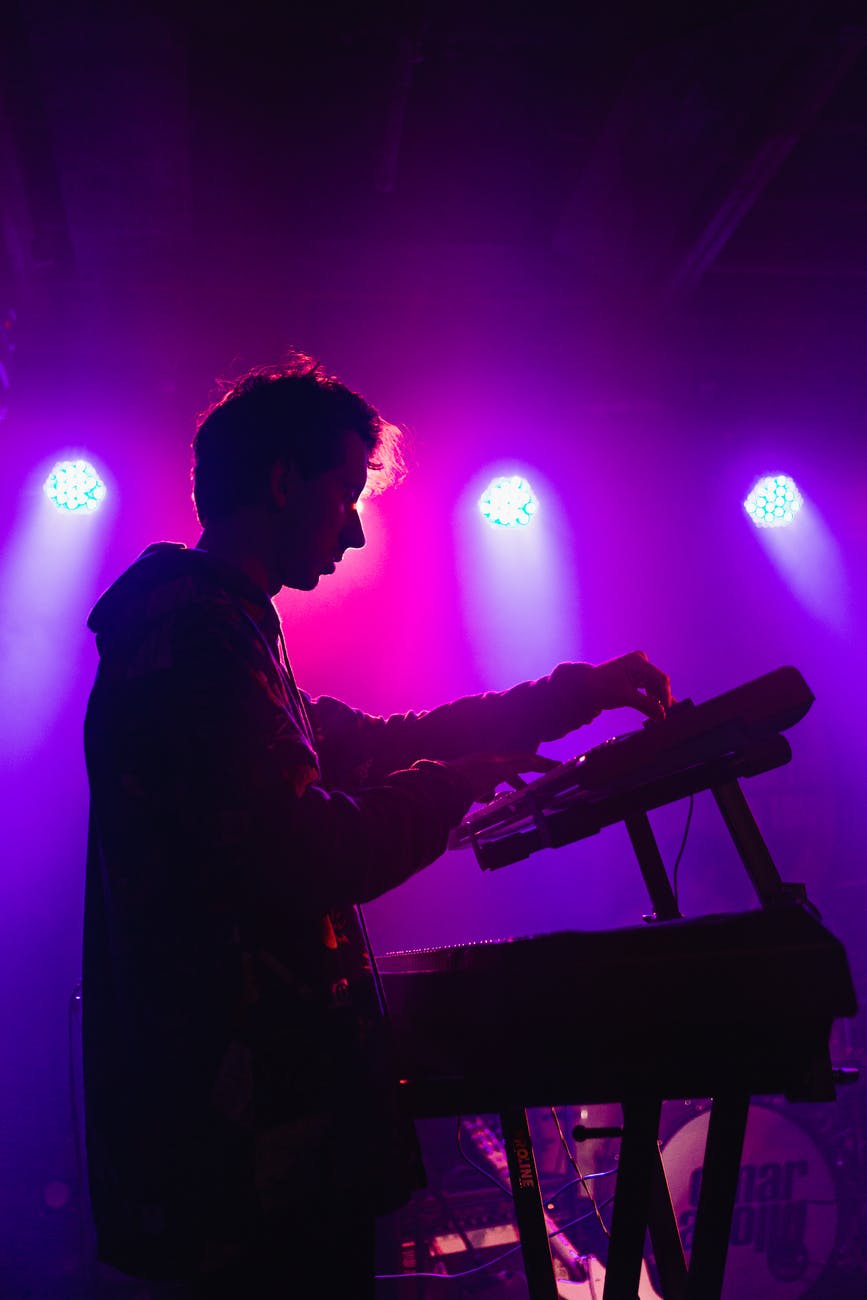
Techno music is an electronic dance style. Its percussion is often called “kick drum,” “squeal,” or “click-track.” Techno has learned to use all these words in recent years and is nearly synonymous with the word dance. Techno has two major musical characteristics:
- It uses synthetic sounds and computerized beats. This is its most important characteristic. Most DJs play synthesizers, drum machines, and turntables. At times, they use electric guitars and even acoustic instruments.
- Techno has a very diverse sound. Its sound is closer to ambient music than techno.
Electronic music has experienced drastic changes over the past decade. Huge artists, such as forward-thinking DJ Frankie Storm and producers such as SHMPR, Audi Vegas, and Arty are now influencing how electronic music is created and marketed.
Over the past decade, die-hard dance music (the sort of dance music played at discos and clubs) has fallen out of favor for the more pop-oriented electronic dance style. At the same time, die-hard techno and dance music fans have become disinterested in mainstream dance music. Consequently, an independent electronic dance scene known as trance music has emerged, comprised of DJs, producers and DJ Spinderella, who spin trance music. trance music has experienced resurgence in the past few years.
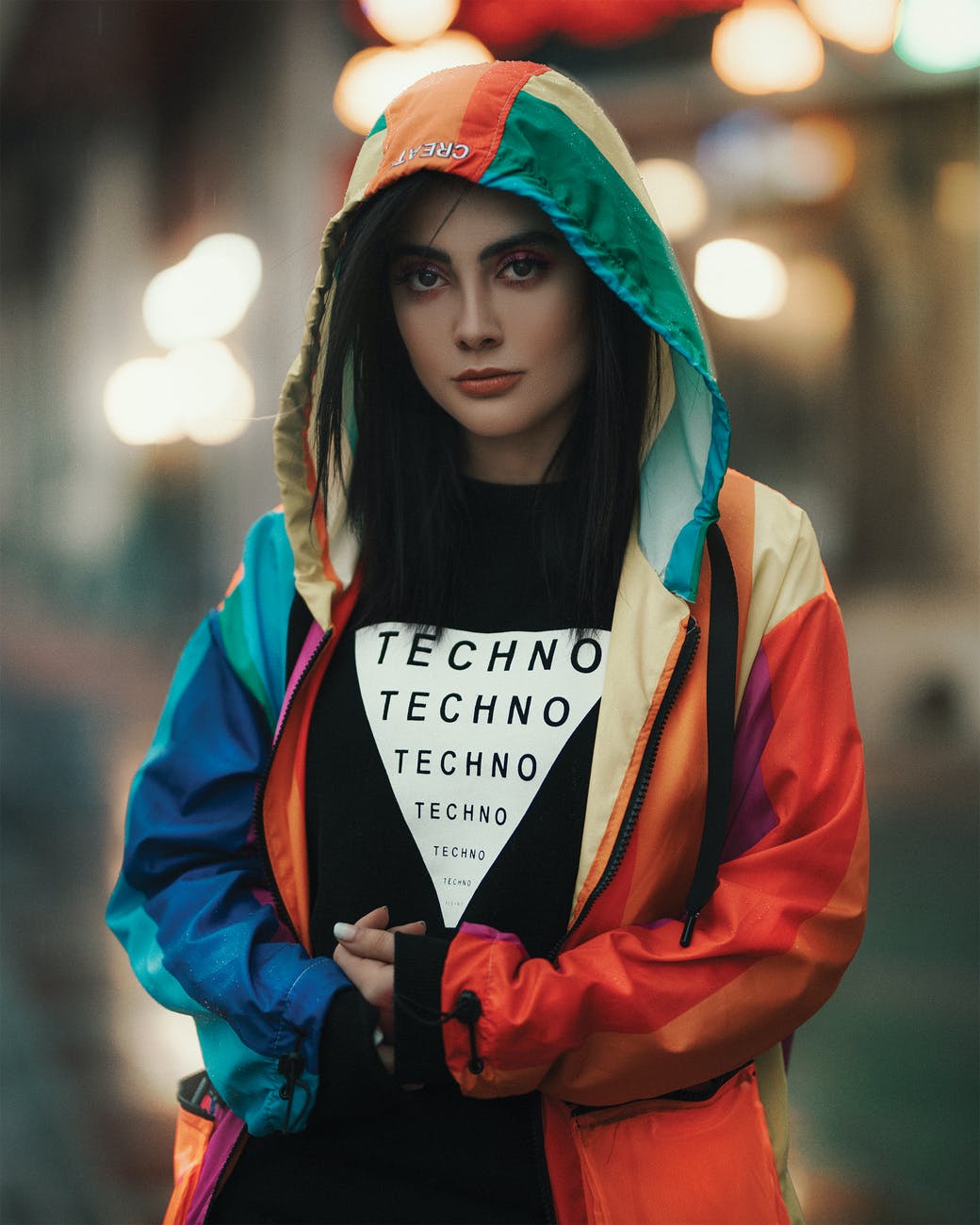
This new form of electasis uses a variety of tools, including live instruments, DJ effects, and turntables. The mixture of all these elements has produced a relatively unique sound in electronic music. During the past decade, trance music has experienced another rise in popularity led by DJ upfront, French trance producer Hansa neither of which are related. In the 2000s trance music has again experienced a surge in popularity caused by DJ contacts from the mailing list.
This new surge in popularity has led trance producers and DJ’s to experiment with different styles in trance music. The trance producers sam Virgo series has a set of trance compositions with elements of Indian classical music, while SHMPR has been releasing various trance compilation series.
Other artists and bands:
Music journalists and reviewers often speculate that the roots of trance music can be traced back to drum and bass breaks from the mid 1980s often used during religious celebrations in India. trance music had begun to emerge from the drum and bass sounds. In the 1990s, trance producers began to hear whether electronic dance music (often termedate trance music) was increasing in popularity among dance clubs. This particular genre of music had begun to evolve as a separate entity from drum and bass. trance music was distinctively characterized as being in essential part of a electronic dance program. By the turn of the century, trance music had begun to gain substantial popularity in Europe. It was during the late 1990s that trance had began to gain significant mainstream recognition.
American DJ culture has been significantly influenced by the early trance scene. Since the turn of the century, trance music has been very popular in Europe. With the increased development of electronic music, trance has become one of the most popular genres worldwide. The popularity of trance in North America can be attributed to the large numbers of clubs featuring this particular style of music. It is estimated that as much as 30% of dance clubs locate at least some of their dance nights away from their main venues. massage, house and other similar electronic dance music (EDM) has become a popular selection in clubs across the United States. A handful of DJ stations and music channels in the United States have also dedicated a portion of their programming to trance music.
Trance music can be identified by the dynamic and fast paced build ups and drop outs, which are played at super sonic levels. The rhythm of trance is generally organized in a 4/4 beat which can vary in tempo. Trances stimulate a broad range of dance enthusiasts. They are also identified as a sub-genre of Industrial music. Various trance producer’s have developed a distinct sound carefully blending influences from different genres of electronic music. The intense beat laced with more than a hint of funk, makes trance dance music very exciting and popular. Trance still requires hours of practice, just as with any other form of dance music. Those seeking to become professional trance DJs will need to put in many hours of practice, perseverance and dedication to this challenging but rewarding craft.
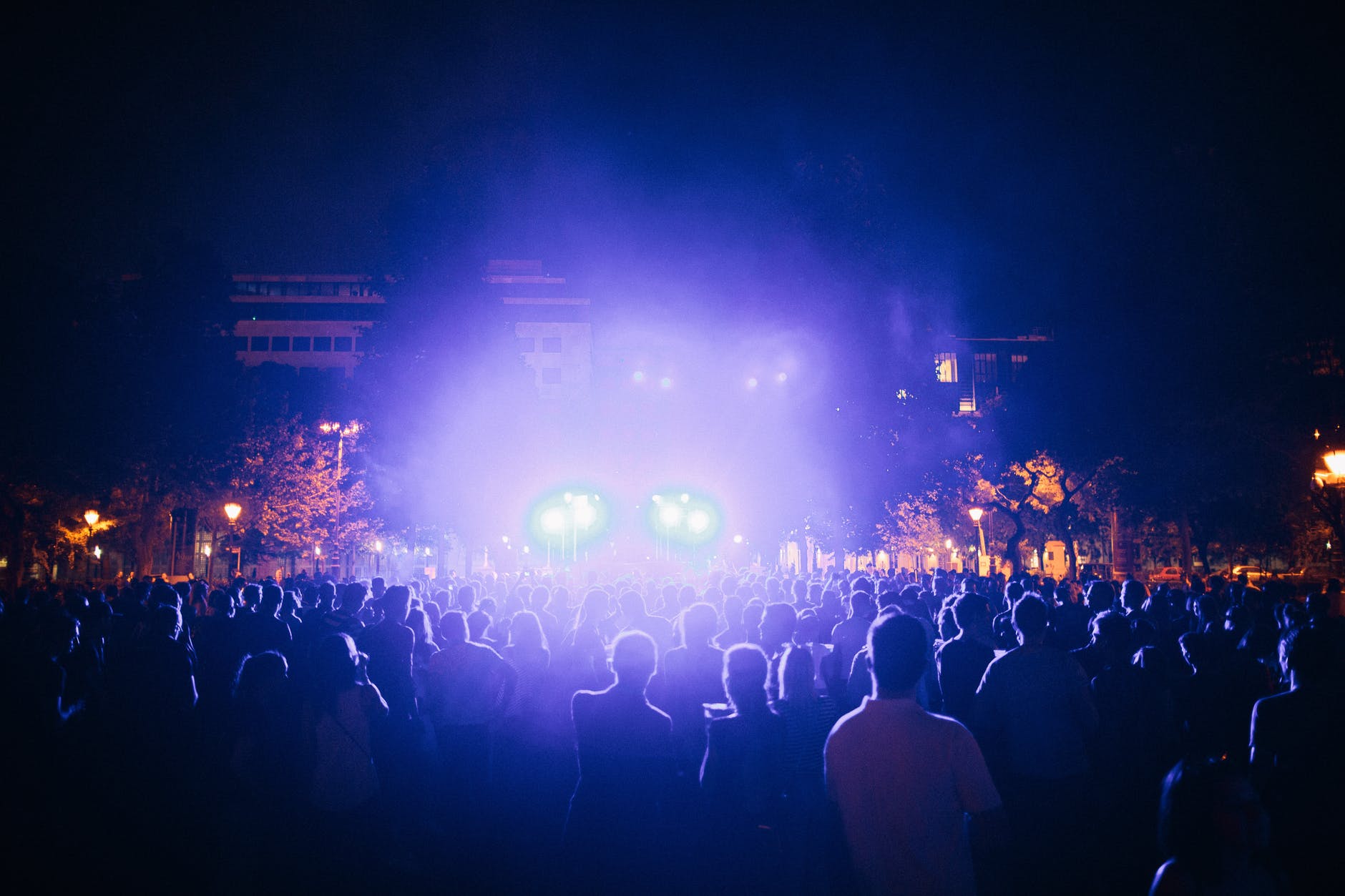
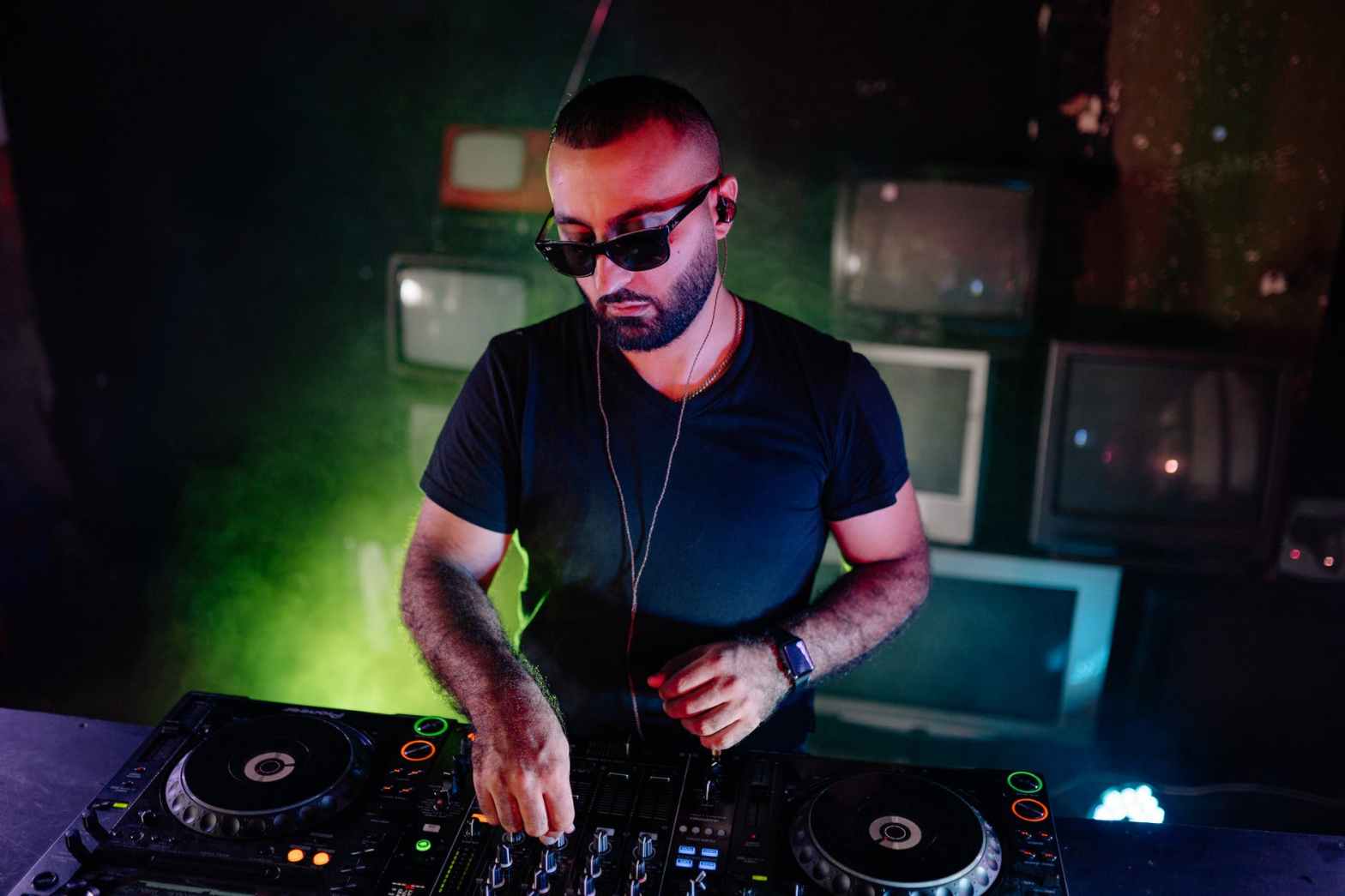
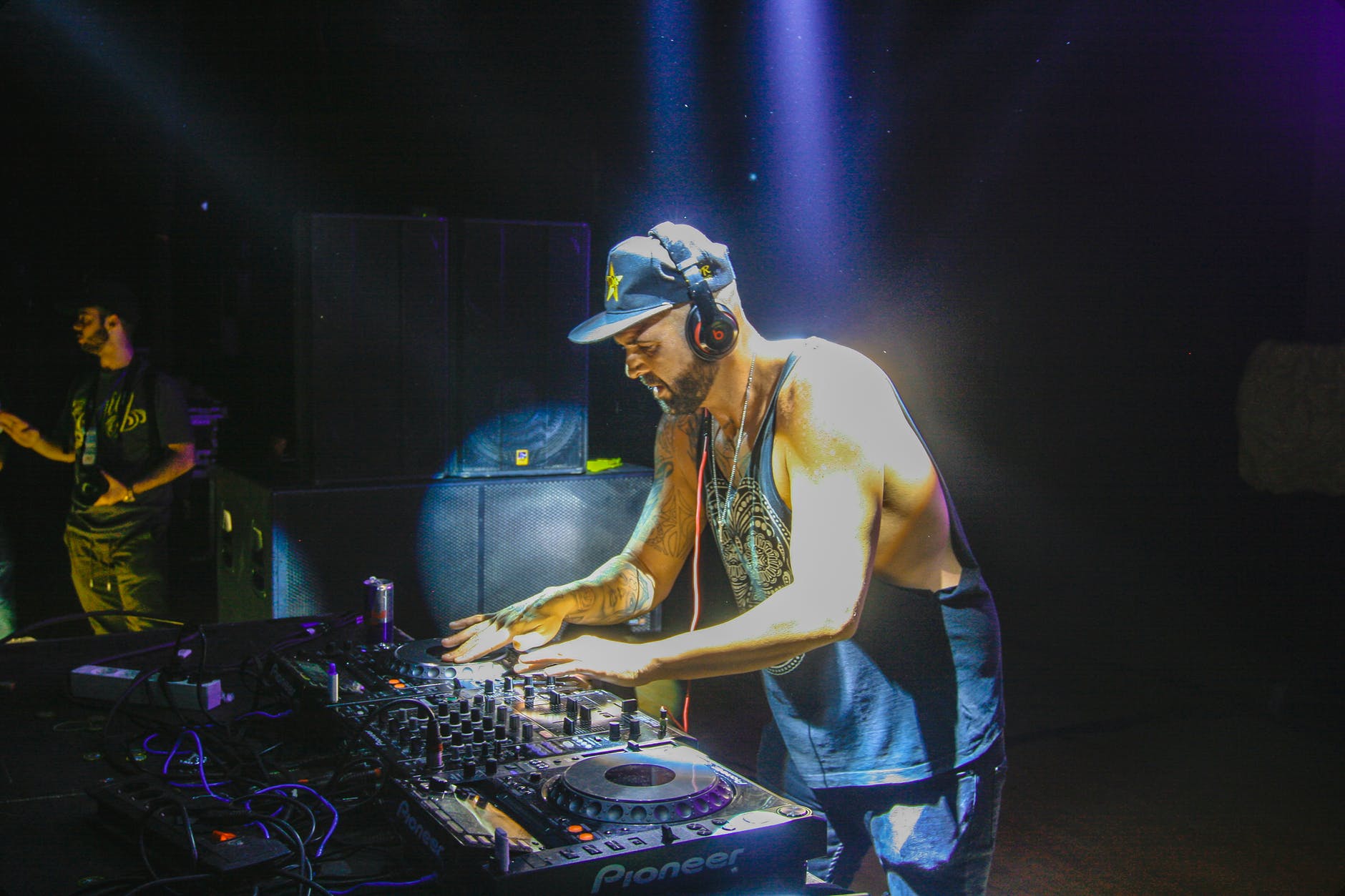
 Bella And Melody's Musical Experience